
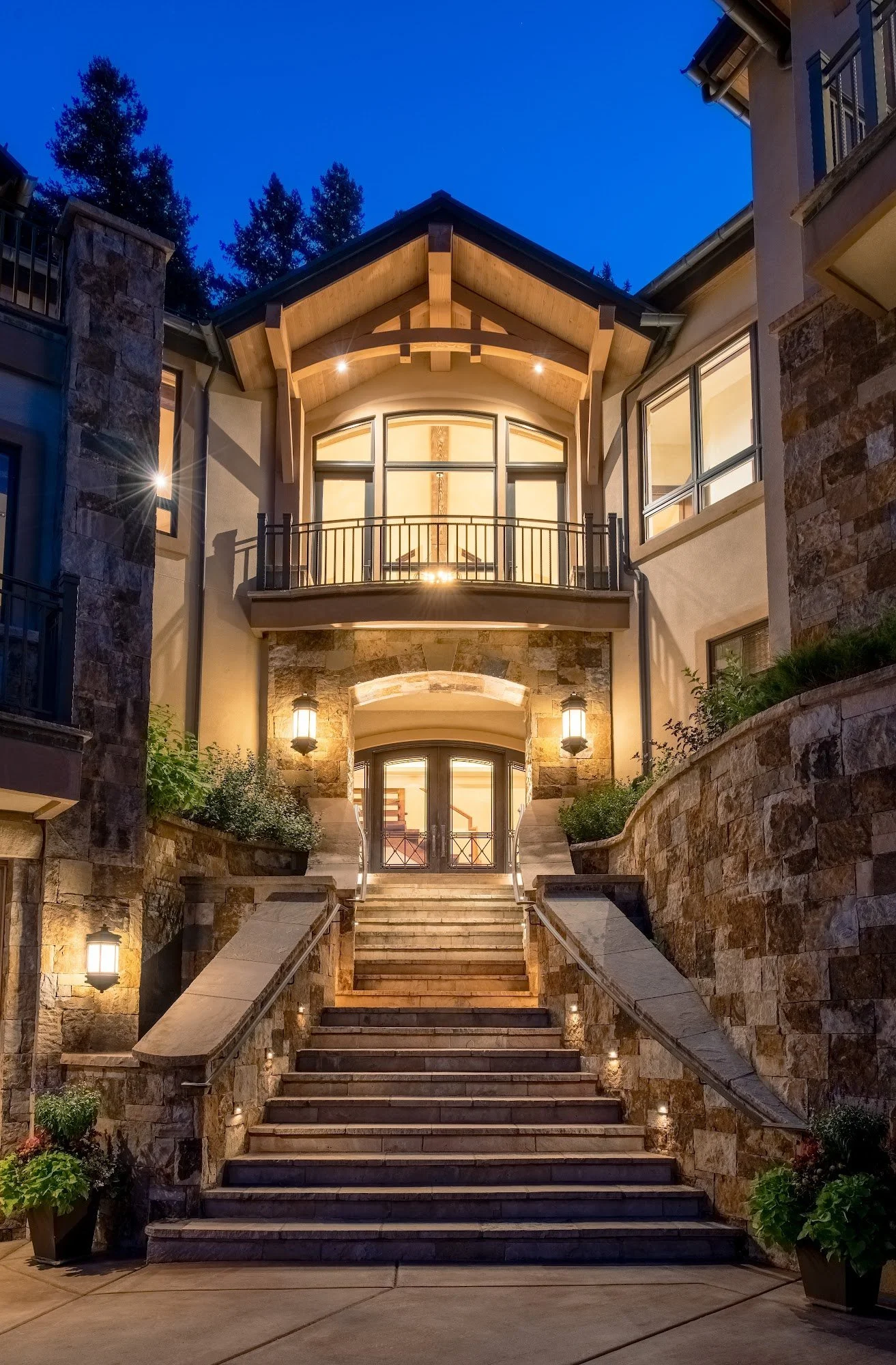
Every season, someone asks me to find them a lot. They want a clean slate: their architect, their floor plan, their house. I understand the appeal. I've been part of more than 25 development projects in this valley, and I love building.
But right now, for most of the buyers I work with, my advice is the opposite: buy the house, not the dirt.
In my view, land in Aspen is overpriced. A vacant lot is often priced as if the finished home were already standing on it. You pay for the promise of a house, then pay again in time, money and patience to make it real. A well-placed existing home, or a smart fixer, usually gets you to the same place faster, with fewer surprises and more of your budget left for the parts you'll actually feel.
The Clock Starts Long Before the First Shovel
A raw lot doesn't come with a building permit. Before anything goes vertical, a new home has to work its way through design, zoning review, sometimes historic or design review, growth management rules, energy code requirements and the building department's queue. Neighbors weigh in. Rules change mid-stream. Aspen has paused and rewritten its residential rules before, and every change resets somebody's plans.
Very little of that is in your control, and almost all of it takes longer than buyers expect. An existing home is already through that gate. You can close and be living in it the same season.
Building Here Is Slower and Costlier Than You Think
Building in a mountain resort town is its own discipline. A short construction season, tight lots with little room to stage, a small bench of top-tier trades who are booked out, materials trucked up the valley, and strict limits on construction hours and traffic all add time and cost. I've watched well-run projects slip by a year or more for reasons nobody could have controlled.
Then come the costs no one budgets for on day one: redesigns after review, utility upgrades, drainage or soil surprises, and the premium you pay for anything custom at altitude.
Carrying Costs Add Up While You Wait
An existing home starts working for you the day you close, even if you plan to renovate later. You can live in it, learn how the light moves through it, and make changes on your own timeline instead of the building department's.
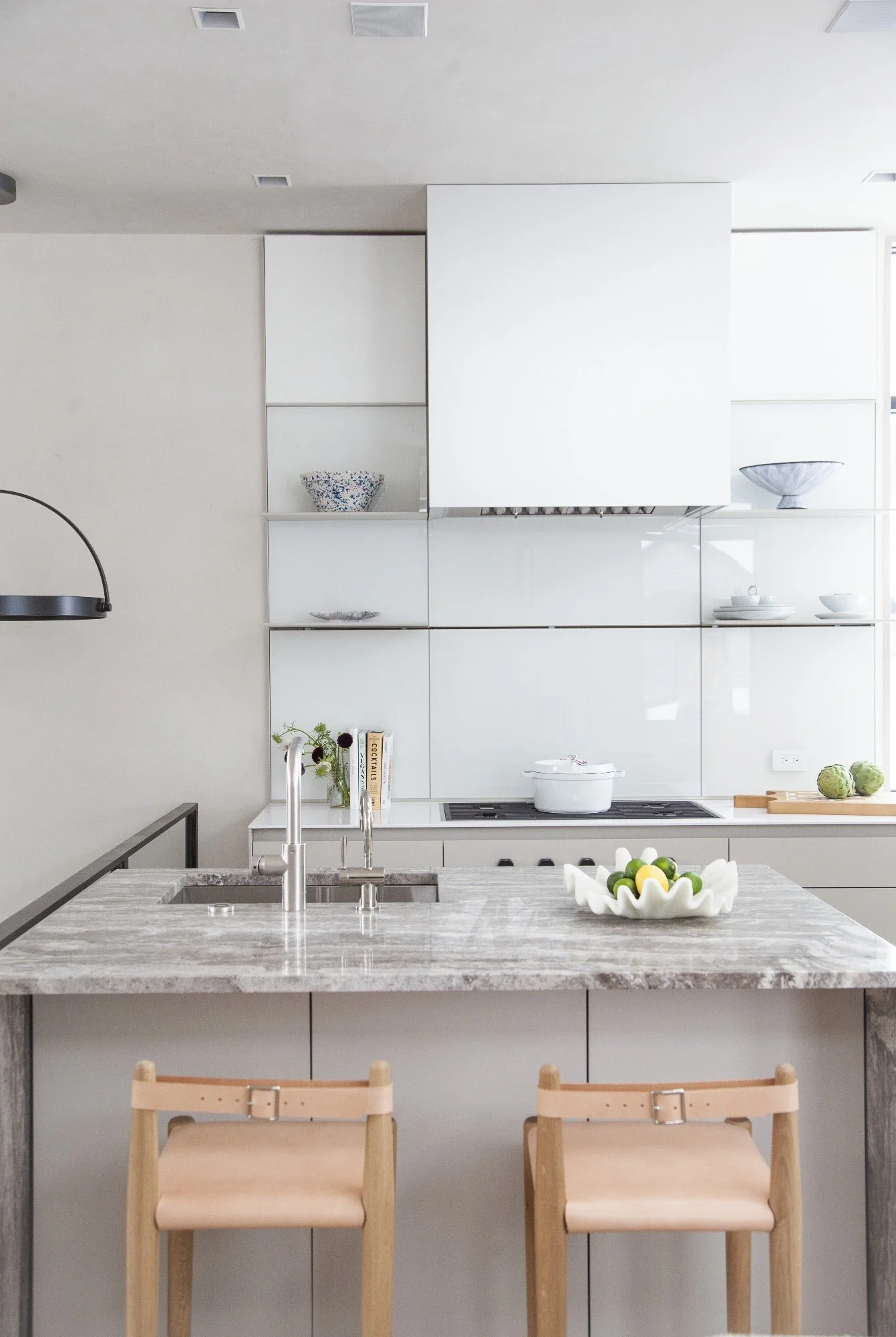
What's Already There Is Worth More Than It Looks
This is the part buyers most often underestimate.
Grandfathered square footage and placement. Many older homes carry size, height or setbacks that current code wouldn't allow today. Scrape the house and you may never get that back. A thoughtful renovation can often keep it.
Features that are hard to add now. Pools, guest houses and some snowmelt and outdoor features have become difficult to permit under today's energy and land-use rules. When a home already has them, they're a real asset.
Mature landscaping. Thirty-year-old spruce and aspen give you privacy and character you can't buy at a nursery. New landscaping takes years to look like it belongs.
Established views. A house that's already sited for its view, with the neighbors built in around it, is a known quantity. On a vacant lot, you're guessing what the next house will block.
A neighborhood you can read. You can see how the street lives in every season before you commit.

How to Spot a Fixer Worth Buying
Not every older house is a deal. Here's what I look for when I walk one with a client:
A location you can't replicate. Walkability to town, the gondola, the river, the trails, sun exposure. You can change a kitchen. You can't move a house to the sunny side of the street.
Good bones. A solid structure, a sensible footprint, workable ceiling heights and windows facing the right way. Finishes are easy to change; foundations and rooflines aren't.
A layout that can flex. Can a wall come out to open up the living space? Is there room for a real mudroom? Plenty of dated homes are one smart renovation away from feeling brand new.
An honest look at the envelope and mechanicals. Roof, heating, windows and insulation are where the real money goes. Get them inspected early and price them honestly.
The listing's history. Price reductions, expired and withdrawn listings are often where the opportunity is. A home that has been sitting usually has a fixable reason and a seller who's ready to talk.
The rules before the offer. I want to know what zoning and code allow on a property before a client commits, so you know exactly what you're buying and what you can add.
The Bottom Line
Land is a promise. A house is a fact. For most buyers in Aspen today, a well-located existing home or a fixer with good bones is the faster, smarter and often less expensive path to the home you actually want. You move in sooner, you keep what can't be rebuilt, and you make it yours on your own schedule.
Weighing a lot against a house, or want a second opinion on a fixer? I'm happy to walk it with you. Call me at 970-452-1946 or start here.
Questions I get about this
Is it cheaper to build or buy a home in Aspen?
For most of my buyers right now, buying an existing home or a smart fixer comes out ahead. A lot is often priced as if the house were already on it, and then you pay again in design, approvals, construction and carrying costs before you can move in.
How long does it take to build a new home in Aspen?
Longer than almost everyone expects. Design, zoning and design review, the building department's queue, a short construction season and a small pool of top trades all add time. I tell clients to plan in years, not months. An existing home, you can live in the season you close.
Is land in Aspen overpriced right now?
In my view, yes. Vacant lots are often priced on the promise of the finished home, which leaves little room for the time, cost and risk of building it. That's why I've been steering most buyers toward existing homes, fixers and real price cuts.
What should I look for in an Aspen fixer-upper?
A location you can't replicate, good bones, a layout that can flex, and an honest read on the roof, windows and mechanicals. Finishes are easy to change. Foundations, rooflines and which side of the street gets the sun are not.
When does buying a lot in Aspen make sense?
When the price reflects the real cost and timeline of building, you have the patience for approvals, and you want something you truly can't find in an existing home. If that's you, I've been part of more than 25 development projects here and can help you underwrite it before you buy.
Alexandra George Hubbard is the founder and managing broker of AG Aspen and the Aspen Board of Realtors' 2025 Realtor of the Year. She has closed more than $700 million in sales since 2020. Questions about a home or a lot? Call 970-452-1946.
More answers for Aspen buyers: read the Buyer FAQ.
